The Best Fluffy Pancakes recipe you will fall in love with. Full of tips and tricks to help you make the best pancakes.


When people plan a trip to Alappuzha, houseboats and backwater cruises usually take center stage. But if you are searching for golden sands, swaying coconut palms, and quiet fishing hamlets, Marari Beach Kerala is easily one of the most tranquil escapes along the Malabar Coast.
We set out on a short coastal escape from Kochi to experience the rhythm of Mararikulam village life, staying at the eco-luxury haven of Xandari Pearl and diving deep into the spiritual and cultural landmarks that define this region. Here is how our journey unfolded.
Arthunkal Church: A Symbol of History and Communal Harmony
Our journey began with a pleasant hour-and-a-quarter drive south from Kochi along the coastal belt, bringing us directly to the magnificent St. Andrew’s Basilica in Arthunkal.
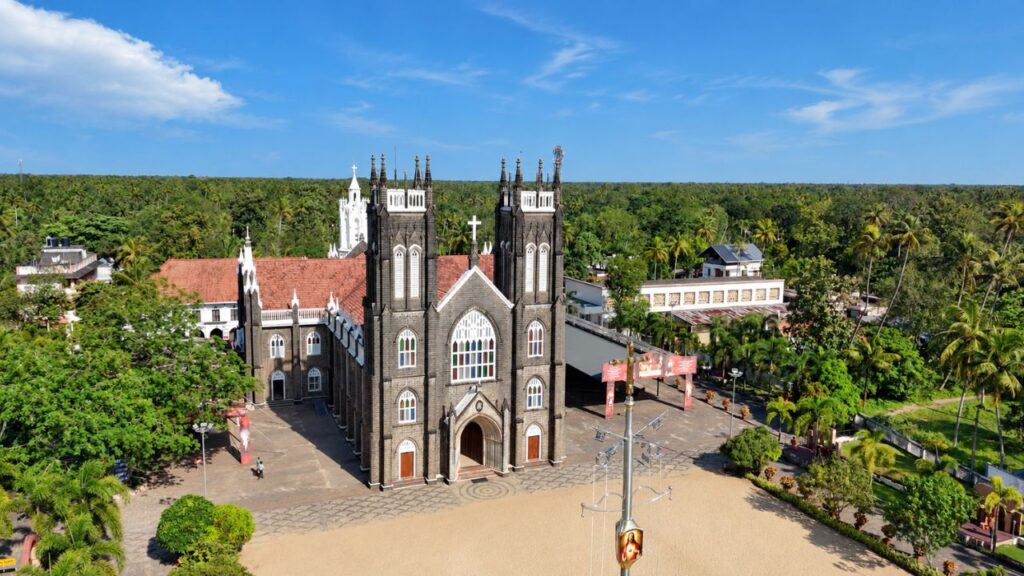
The monumental stone basilica standing today dates back to the 1600s, constructed over the foundations of a wooden structure raised in the 1500s. The church is renowned worldwide as one of the largest shrines dedicated to St. Sebastian, housing a historic statue brought all the way from Italy in the 17th century.
Walking into the church complex, George and I were struck by the profound stillness. Arthunkal holds a deeply cherished place in Kerala’s culture as a symbol of religious harmony. In a unique local tradition, Hindu pilgrims returning from the Sabarimala pilgrimage frequently visit this basilica to offer prayers and remove their sacred vows. Situated just a stone’s throw from Arthunkal Beach, the ocean breeze mingling with the spiritual ambiance makes it an essential stop before heading into Marari Beach Kerala.
Xandari Pearl Beach Resort Marari: Eco-Luxury Living
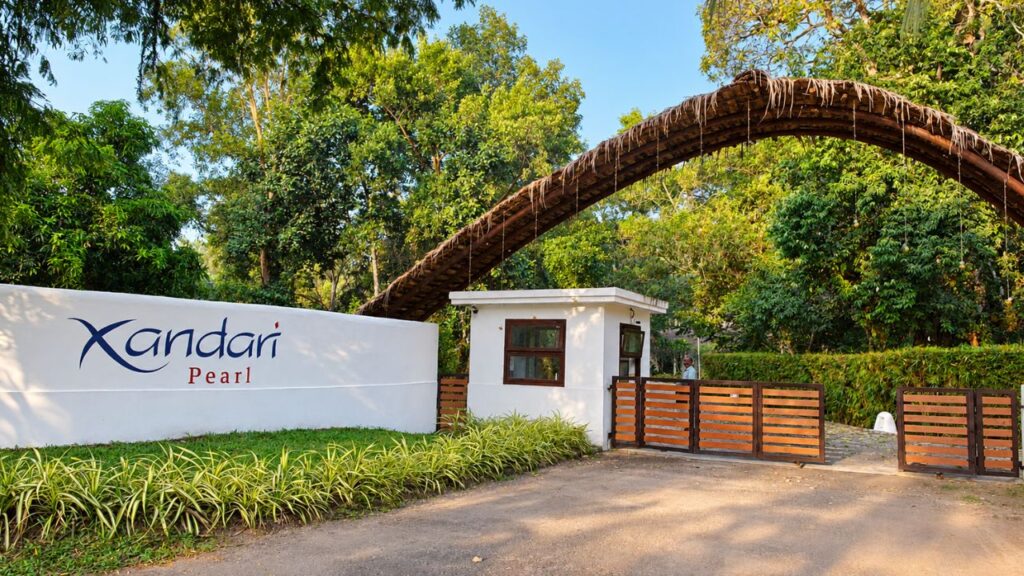
Leaving Arthunkal Church behind, a quick 10-minute drive brought us to our sanctuary for the trip: Xandari Pearl Beach Resort Marari.
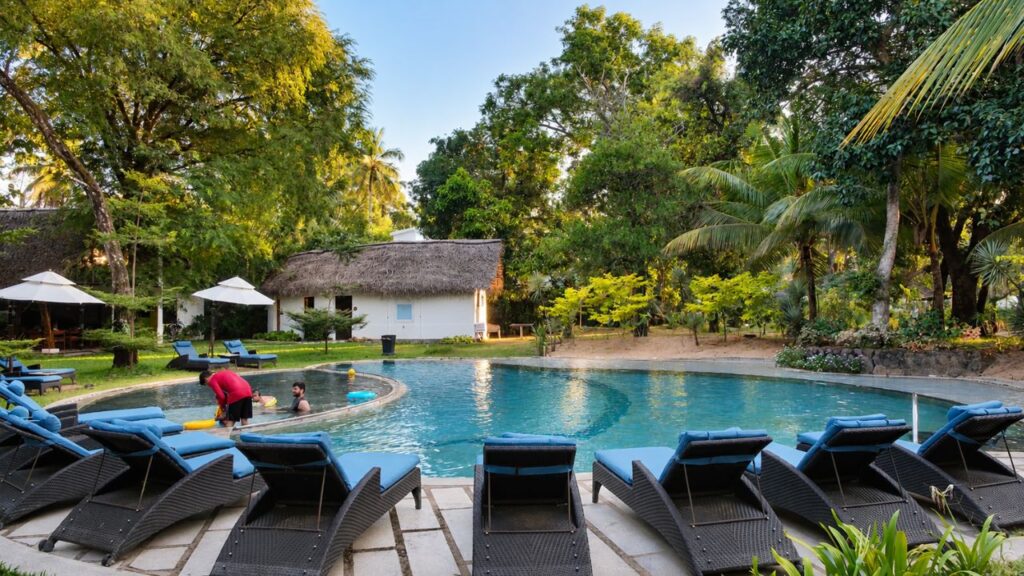
The resort spans 18 acres of lush greenery and pearl grass, designed with fewer than 30 private thatched cottages to ensure complete privacy and peace. As we checked in, we were greeted with genuine warmth and a personal handwritten welcome note waiting in our cottage.
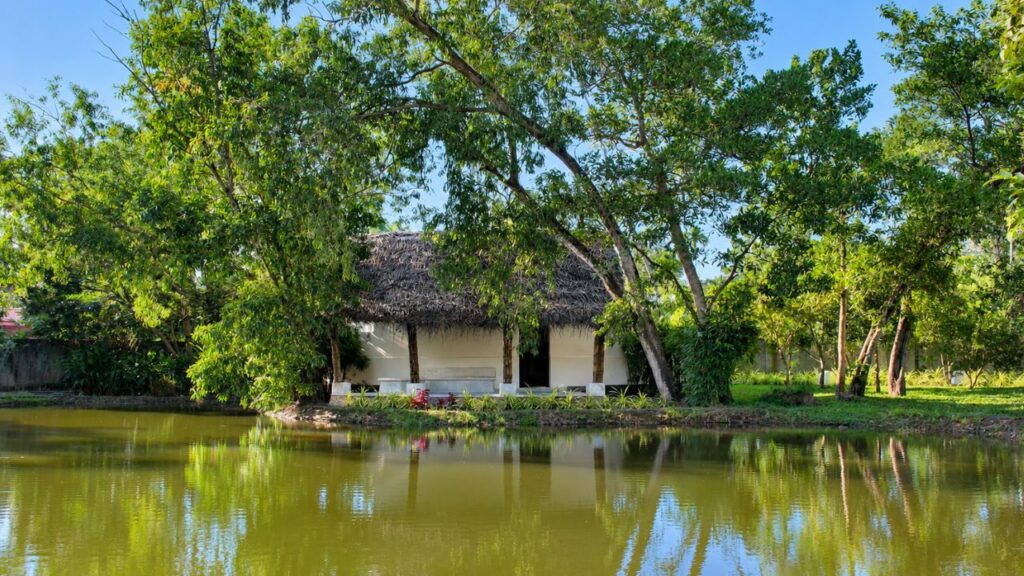
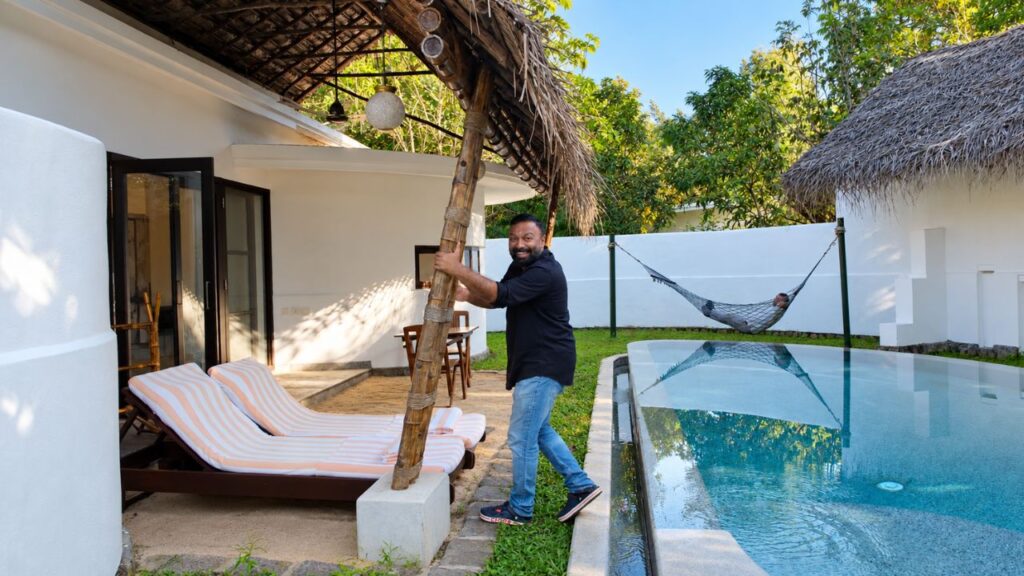
Our villa featured a beautiful palm-thatched roof, an expansive bedroom, an open-air rain shower, and a private plunge pool tucked into the enclosed backyard. Right outside our veranda, a natural lily pond stretched out, home to darting fish and quiet pedalo boats.
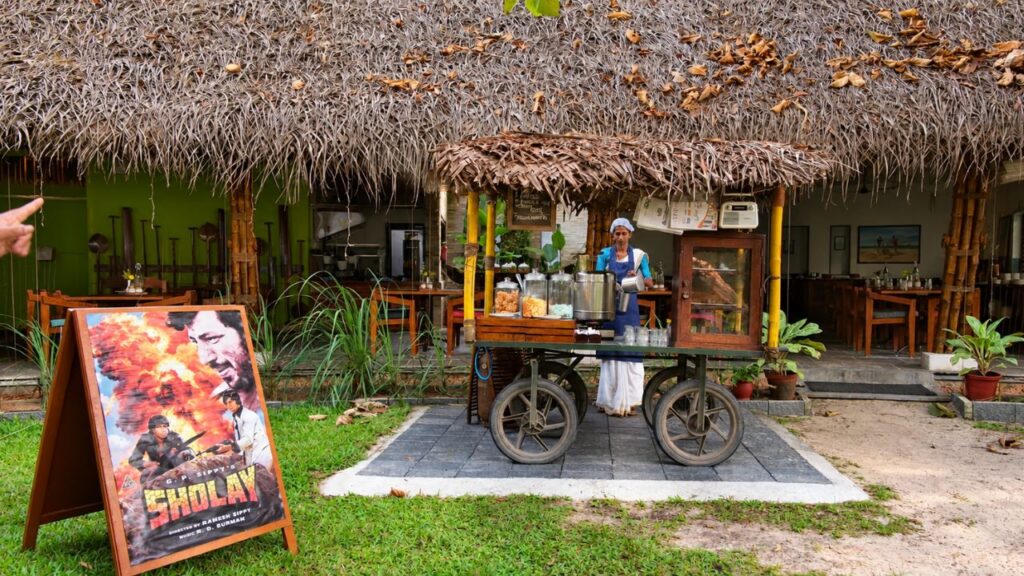
Around 4:30 PM, we made our way toward the resort’s traditional open-air chayakkada (local tea cart) set up near the restaurant. Sipping hot black tea alongside traditional snacks like sweet kozhukatta, crispy parippu vada, and achappam felt like a warm embrace of Kerala’s evening culture.
Marari Public Beach: Golden Sands and Evening Sunsets
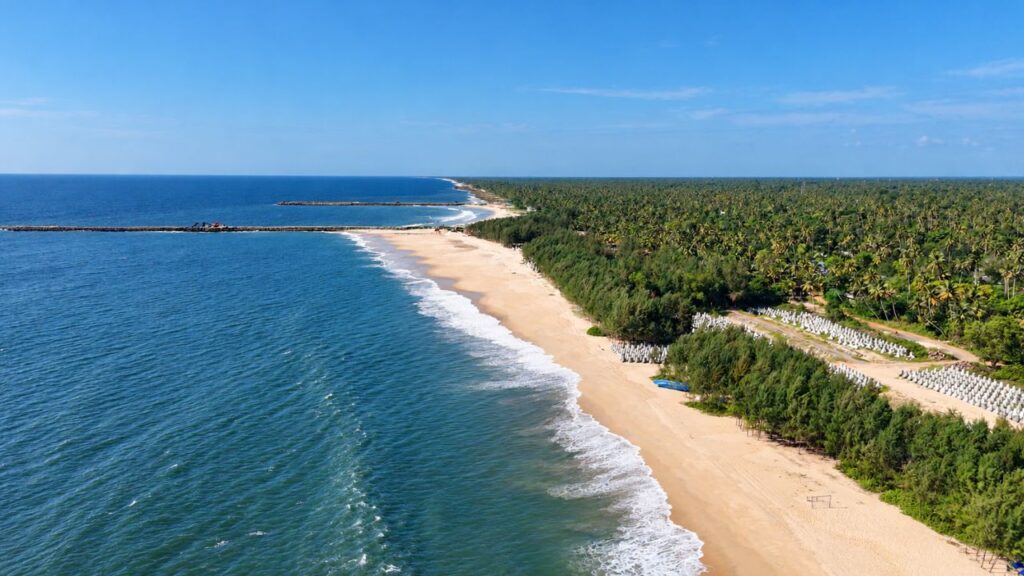
Just a short walk from our cottage through the resort grounds lies the pristine coastline of Marari Beach Kerala.
While the public entry point of Marari Beach often draws crowds further down the coast, the beachfront here is expansive, clean, and unhurried. Coconut groves frame the soft sands, with resort staff helping visiting families assemble and fly colorful kites into the coastal breeze.
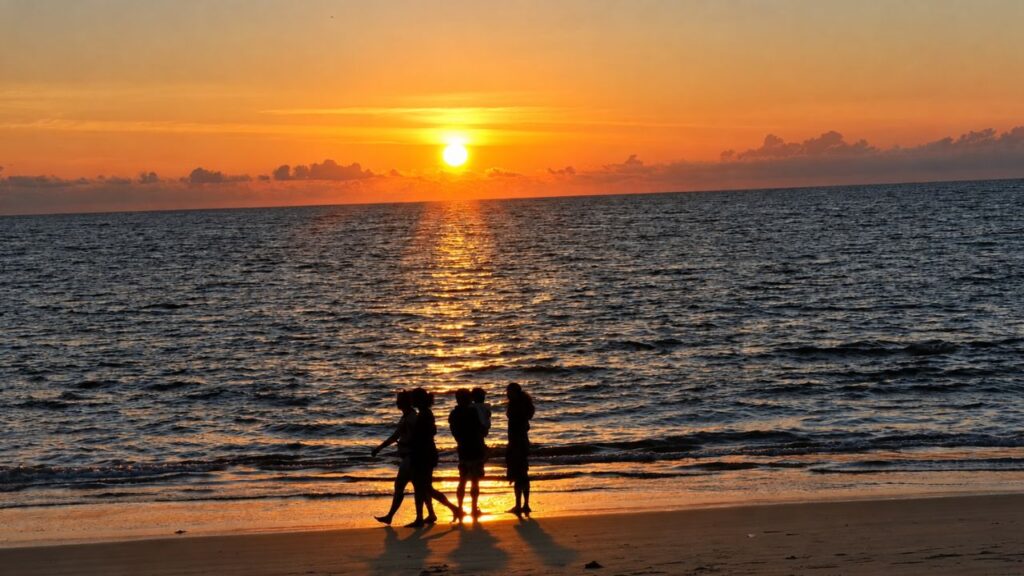
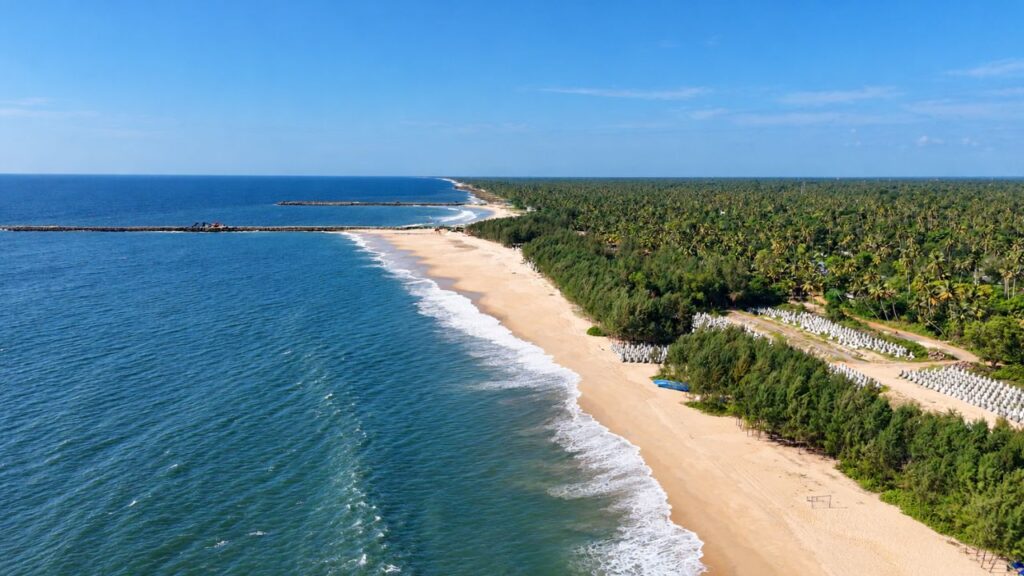
Watching the fiery sun sink into the Arabian Sea while waves gently lap the shore is a grounding experience. Marari holds a reputation among international travelers as one of the finest hammock beaches in Asia, and standing on its wide-open shoreline at dusk makes it easy to understand why.
Traditional Flavors: Naadan Atthaazham
After sundown, we gathered at the resort’s thatched-roof dining pavilion for dinner. Being right next to the sea, seafood was an absolute must.
We feast on a traditional spread:
- Soft, steaming boiled tapioca paired with a fiery red chilli fish curry infused with kudampuli (Malabar tamarind).
- Classic Alappuzha fish curry simmered gently with raw mango slices and fresh coconut milk.
- Freshly caught kingfish fry, served piping hot straight from the tawa.
- Accompaniments of roasted onion chutney, tart mango pickle, and spiced coconut chutney.
The comforting blend of hot kappa and zesty fish curry easily stole the show.
Marari Temple: A Peaceful Morning Cycle Ride
We started early the next morning around 7:00 AM, borrowing complimentary bicycles from the resort to explore the surrounding village.
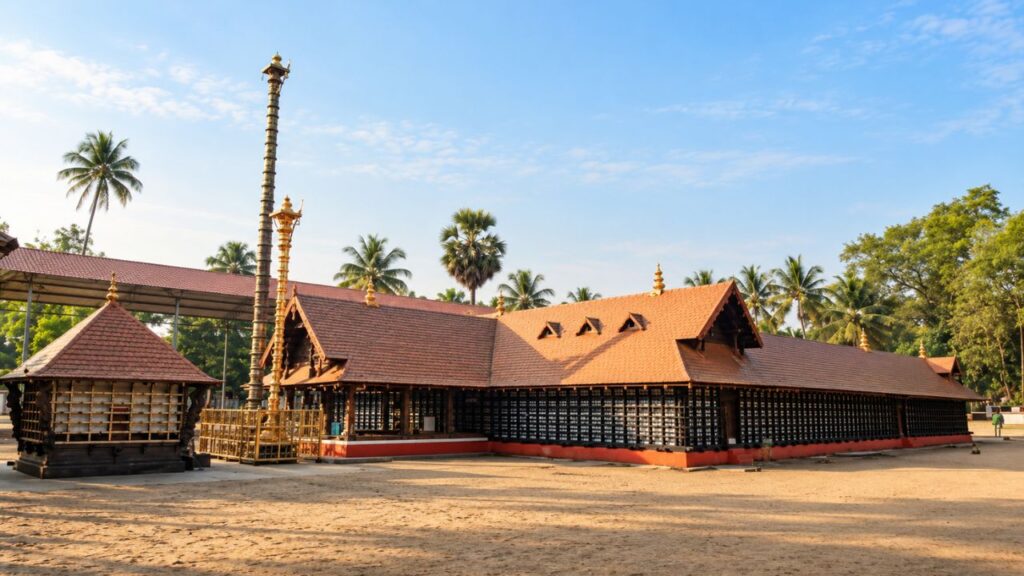
Pedaling along the quiet, tree-shaded country roads for about 2.25 kilometers brought us to the gates of the ancient Mararikulam Sri Mahadeva Temple. Over 700 years old, this heritage temple is celebrated for its classic Kerala wooden architectural craftsmanship, quiet courtyards, and ancient stone lamps.
What makes this temple culturally unique is the positioning of the main deities: Lord Shiva and Goddess Parvati are seated facing one another in a rare, unified posture (Swayamvara pose). The serene morning chants and the temple pond made our early cycling ride thoroughly rewarding.
Fish Auction: Experiencing the Heartbeat of Marari
Cycling back toward the shore, we stopped by the busy, vibrant hub of Marari Public Beach. Unlike its sleepy evening vibe, early mornings on Marari Beach Kerala pulse with raw energy.
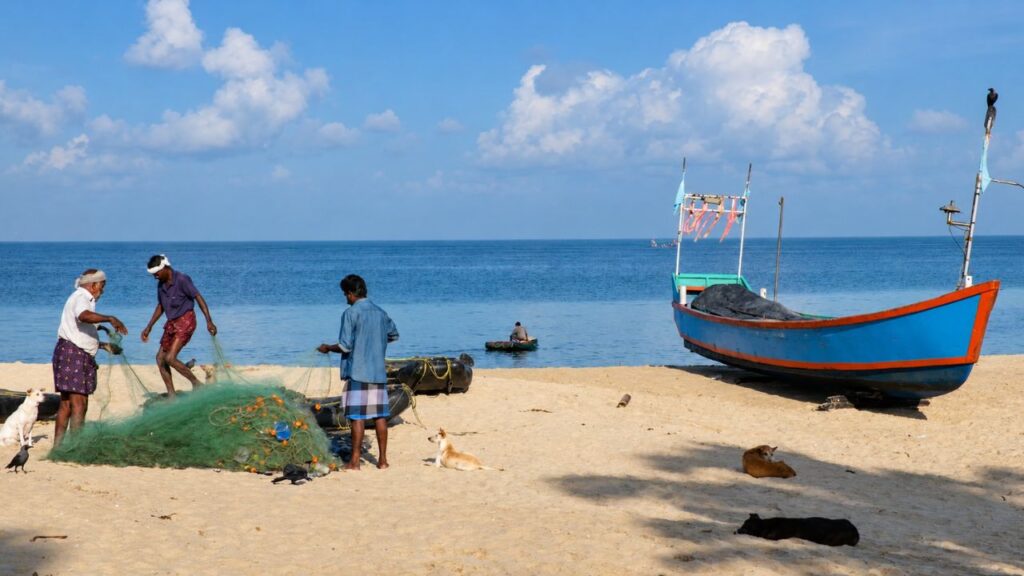
Brightly painted country boats rested along the sand as local fishermen hauled in their morning catch. Fishermen sat under the palm trees sorting silver fish from their nylon nets, while small crowds gathered around lively beach auctions.
Baskets of fresh sardines, mackerel, and tiger prawns were presented to eager buyers, with local auctioneers calling out bids in rapid rhythm. If you want to experience the authentic livelihood of coastal Kerala without commercial filters, witnessing the early morning beach auction here is unmissable.
Xandari Vegetable and Cattle Farm: Farm-to-Table Living
Back at the resort, after a quick stop at a local roadside tea stall and a hearty breakfast buffet, I spent an hour walking through Xandari’s dedicated agricultural grounds.
We met Chandra Bose, who oversees the organic vegetable gardens. He guided us past rows of passion fruit vines, flowering banana groves, ivy gourds, yam, turmeric, and four distinct varieties of native bird’s eye chilli (kanthari). He even handed us fresh leaves to crush and smell—including allspice, soothing Indian borage (panikoorka), lemongrass, and aromatic ginger grass.
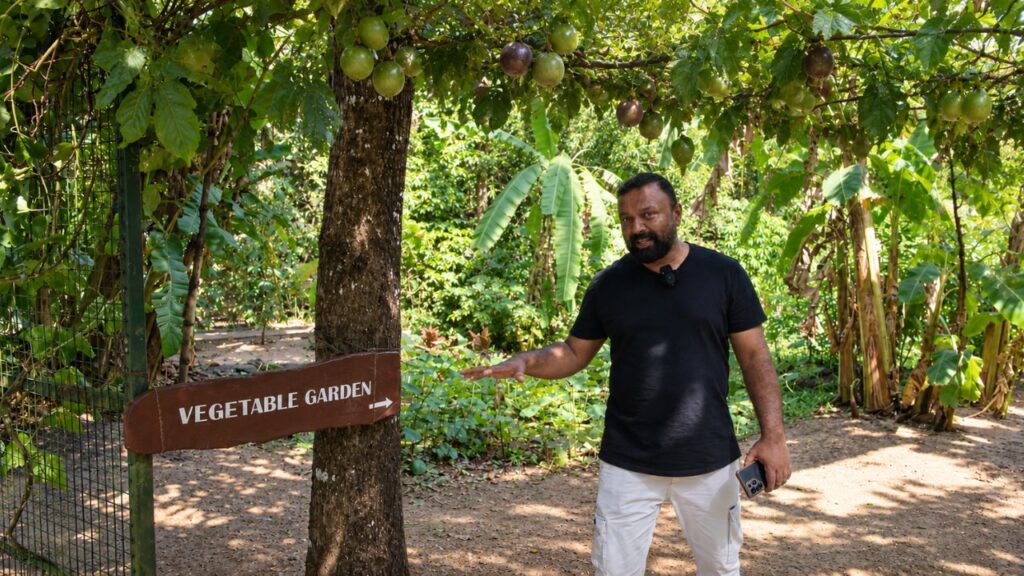
From the vegetable gardens, we walked across to the cattle shed managed by Arjunan. The farm houses native Indian cattle breeds, including the Kasaragod Dwarf and the prized Vechur cow—famous for yielding easily digestible A2 medicinal milk. The fresh milk used for our daily morning and evening tea came directly from these heritage cows, showcasing a farm-to-table model rarely found in coastal resorts.
Ayurveda Treatment: Restoring Mind and Body
No coastal journey in Kerala is complete without experiencing authentic holistic healing. While I was touring the farm, George visited the resort’s on-site Ayurveda center for a traditional rejuvenating body massage.
I later joined in for an oil therapy session. The therapist applied warm, herbal-infused oils using rhythmic strokes designed to relieve travel fatigue, soothe stiff muscles, and clear the senses. Emerging completely relaxed, we spent our final hours feeding fish at the pond and taking in the coastal stillness before packing our bags.
Nearby Places to Explore Around Marari Beach
If you are planning an extended trip to Marari Beach Kerala, there are plenty of scenic and cultural attractions nearby:
- Pathiramanal Island (11 km): A secluded island in Vembanad Lake accessible exclusively by boat, known as a sanctuary for rare migratory birds.
- Alappuzha Backwaters & Beach (14 km): Take a traditional shikara or houseboat cruise along the palm-fringed canals, or walk along the historic Alleppey Pier and lighthouse.
- Kumarakom Bird Sanctuary (25 km): Set on the eastern banks of Vembanad Lake, this sanctuary offers lush nature walks and prime birdwatching opportunities.
- Marari Pine Forest (4 km): A coastal pine grove offering shaded seaside walks away from usual tourist routes.
Travel Tips for Visiting Marari
- Best Time to Visit: September to March provides pleasant coastal weather, comfortable temperatures for cycling, and clear sea conditions.
- Getting Around: Renting bicycles from your resort or homestay is the most rewarding way to explore local villages and the Mahadeva Temple.
- Respect Local Customs: Remember to dress modestly when entering temple and basilica grounds, and always use designated waste bins to keep the shores clean.
Whether you come for the heritage at Arthunkal, the morning fish auctions, or simply to unwind under swaying palms, Marari Beach Kerala offers an authentic slice of coastal peace that stays with you long after the trip ends.
Similar posts by Food N Travel: Things to do in Vagamon, Ramakalmedu Travel Guide, Rat Temple of India