
The Best Fluffy Pancakes recipe you will fall in love with. Full of tips and tricks to help you make the best pancakes.


Maldives Travel Guide by Food N Travel: For many travellers, the Maldives is the definition of a dream destination. Crystal-clear turquoise lagoons, powder-soft white beaches, luxurious water villas, vibrant coral reefs, and unforgettable sunsets have made this island nation one of the world’s most sought-after holiday destinations. While it’s often associated with honeymooners and luxury vacations, the Maldives has evolved into a destination that welcomes families, groups of friends, solo travellers, and even budget-conscious explorers.
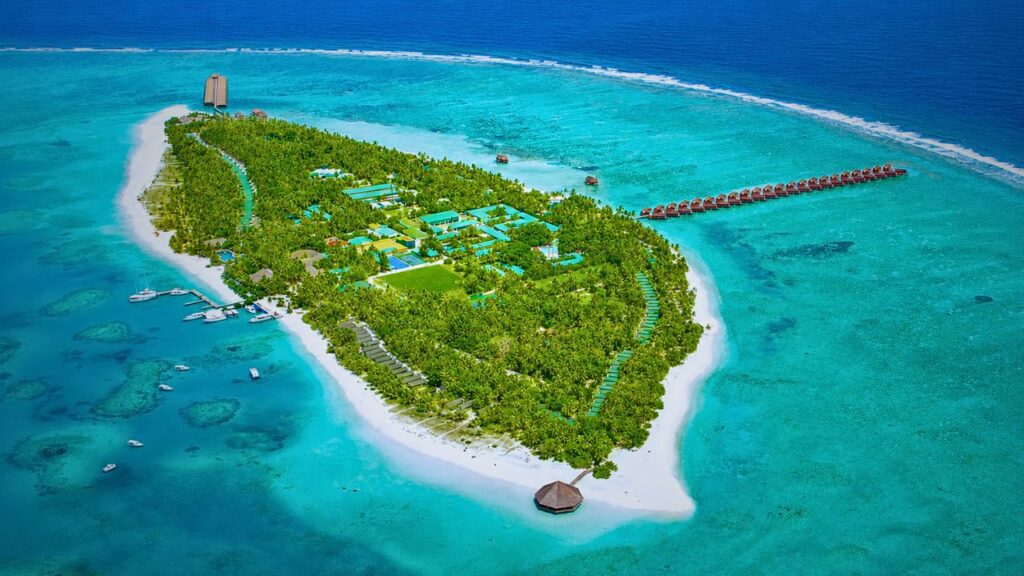
If this is your first visit, you’ll probably have plenty of questions. Is the Maldives really worth the money? Is it only for couples? Should you stay in a luxury resort or on a local island? How much does a Maldives trip actually cost? What are the best things to do, and when is the ideal time to visit? This Maldives Travel Guide answers all these questions and more, helping you plan your holiday with confidence.
Unlike many travel destinations, the Maldives isn’t about rushing from one attraction to another. Instead, it’s a place where you slow down, immerse yourself in nature, and enjoy experiences that are difficult to find elsewhere. Whether you’re snorkelling alongside colourful reef fish, watching dolphins leap through the Indian Ocean, relaxing in an overwater villa, or simply walking barefoot on an untouched sandbank, the Maldives offers memories that stay with you long after the journey ends.
In this Maldives Travel Guide, we’ll cover everything you need to know before booking your trip, including visa requirements, the best time to visit, accommodation options, resort islands versus local islands, budgeting, transportation, must-try experiences, and practical travel tips. We’ll also share our own experiences from travelling across the Maldives as a family, staying both in a luxury island resort and on a budget-friendly local island. Having experienced both sides of the Maldives, we hope this guide will help you choose the holiday that suits your travel style and budget.
Is the Maldives Worth Visiting?
If you’re wondering whether the Maldives deserves a place on your travel bucket list, the answer largely depends on what you’re looking for. The Maldives isn’t a destination packed with monuments, museums, or bustling cities. Instead, it offers something far more unique—an opportunity to experience one of the most beautiful marine environments on Earth.
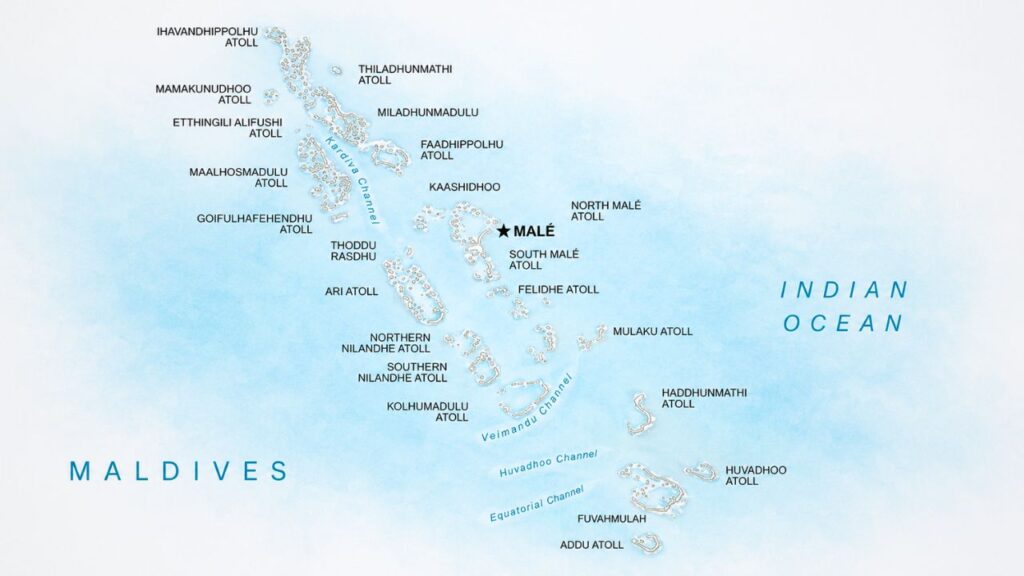
The Republic of Maldives consists of around 1,190 coral islands, grouped into 26 natural atolls, stretching across the Indian Ocean southwest of India and Sri Lanka. Of these islands, roughly 200 are inhabited by local communities, while more than 160 islands have been developed as exclusive tourist resorts. Each resort island is essentially its own private world, complete with beaches, restaurants, villas, recreational facilities, and house reefs.
One of the biggest misconceptions about the Maldives is that it’s only for honeymooners. While couples certainly love the privacy and romance offered by overwater villas, the country is equally rewarding for families, groups of friends, underwater photographers, scuba divers, snorkellers, and anyone who enjoys spending time in nature. Children can safely enjoy calm lagoons, families can explore vibrant coral reefs together, and adventure seekers can experience everything from dolphin cruises to deep-sea fishing and water sports.
Another common misconception is that every Maldives holiday has to be expensive. That may have been true years ago, when visitors could stay only on resort islands. Today, locally owned guesthouses on inhabited islands such as Dhiffushi, Maafushi, and Thulusdhoo have made the Maldives much more accessible to travellers with modest budgets. Choosing between a luxury resort and a local island is one of the most important decisions you’ll make while planning your trip, and we’ll explain the differences later in this Maldives Travel Guide.
Ultimately, the Maldives is less about sightseeing and more about experiences. If you’ve ever wanted to swim with sea turtles, snorkel over colourful coral reefs, relax in an overwater villa, watch dolphins in the wild, or simply disconnect from everyday life beside some of the clearest waters in the world, the Maldives is a destination that rarely disappoints.
Best Time to Visit the Maldives
One of the biggest advantages of the Maldives is that it can be visited throughout the year. Thanks to its tropical climate, temperatures remain fairly consistent, usually ranging between 25°C and 31°C. However, the weather does change between the dry and rainy seasons, and choosing the right time depends on the kind of holiday you’re looking for.
November to April – The Best Season
The period from November to April is generally considered the best time to visit the Maldives. During these months, the weather is relatively dry, humidity is lower, and the sea is usually calm with excellent underwater visibility. These conditions make it the ideal season for snorkelling, scuba diving, island hopping, and enjoying the beautiful beaches.
Since this is also the peak tourist season, accommodation rates—especially at luxury resorts—are usually at their highest. If you’re planning to travel during Christmas, New Year, or school holidays, booking several months in advance is highly recommended.
May to October – The Green Season
From May to October, the Maldives experiences the southwest monsoon. This doesn’t mean it rains all day. Most days still have long sunny intervals, with occasional heavy showers that often last only a short time.
The biggest advantage of travelling during this season is the cost. Resort prices and guesthouse rates are generally lower, making it a great time for budget-conscious travellers. The islands also become beautifully green, and you’ll often find fewer tourists compared to the peak season.
If you’re flexible with your plans and don’t mind an occasional rain shower, this season offers excellent value for money.
How to Reach the Maldives
Reaching the Maldives from India is easier than many first-time travellers imagine. Several Indian cities have direct flights to Velana International Airport (MLE), the country’s main international gateway, located near the capital city of Malé.
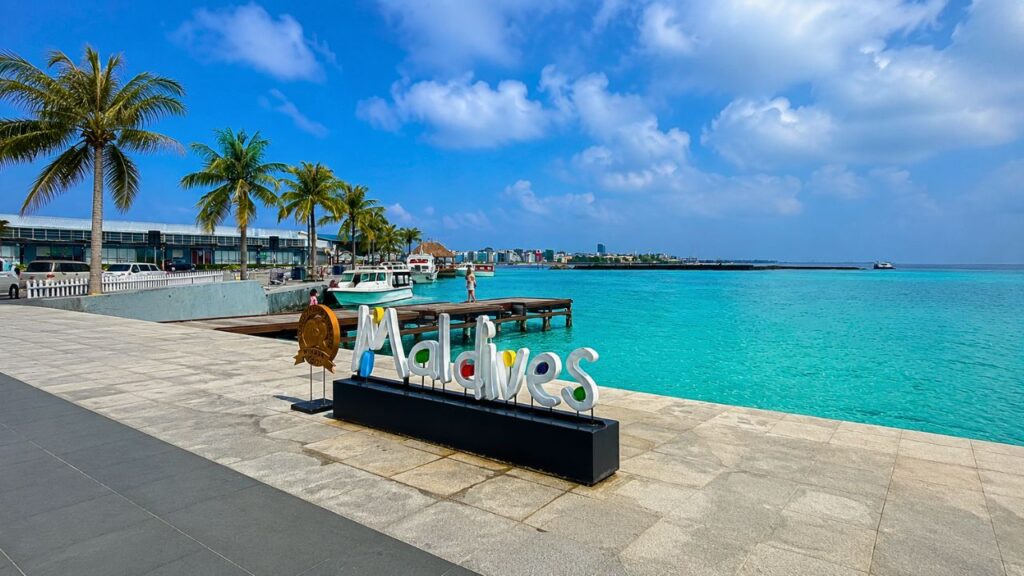
Direct flights are available from cities including Kochi, Bengaluru, Chennai, Mumbai, Delhi, Hyderabad, and Thiruvananthapuram, though schedules may vary depending on the airline and season. Flight times are surprisingly short—around 1.5 hours from Kochi and 2 to 3 hours from most major South Indian cities.
Once you arrive at Velana International Airport, your onward journey depends on where you’re staying:
- Resort islands usually arrange transfers by speedboat, seaplane, or domestic flight.
- Local islands are connected by public ferries, speedboats, or scheduled transfer services.
When booking accommodation, always check whether airport transfers are included in the package or charged separately. In many resorts, transfer costs form a significant part of the total holiday budget.
Visa Requirements for Indian Travellers
The Maldives is one of the easiest international destinations for Indian citizens to visit.
Indian passport holders travelling for tourism are generally granted a free tourist visa on arrival, provided they meet the entry requirements in force at the time of travel.
Before travelling, make sure you have:
- A passport valid for at least six months from your date of arrival.
- A confirmed return or onward flight ticket.
- Confirmed accommodation booking.
- Sufficient funds to cover your stay.
- Any mandatory traveller declaration or health requirements that may apply at the time of travel.
As immigration requirements can change, it’s always a good idea to verify the latest entry regulations with the Maldives immigration authorities or your airline before departure.
Currency, Payments and Internet
The official currency of the Maldives is the Maldivian Rufiyaa (MVR). However, US Dollars (USD) are widely accepted throughout the country, particularly at resorts, excursion operators, and many guesthouses.
Credit and debit cards are accepted at most resorts and larger establishments, although carrying a small amount of cash is useful when visiting local islands or smaller cafés.
Mobile internet coverage is excellent across most inhabited islands and tourist resorts. Many resorts and guesthouses also provide complimentary Wi-Fi, though speeds may vary depending on the location. If you need constant internet access during your trip, purchasing a local tourist SIM card at the airport is often a convenient option.
Resort Islands vs Local Islands – Which Should You Choose?
One of the first decisions you’ll need to make while planning your Maldives holiday is whether to stay on a private resort island or a local inhabited island. This choice will influence not only your budget but also the overall experience you’ll have in the Maldives.
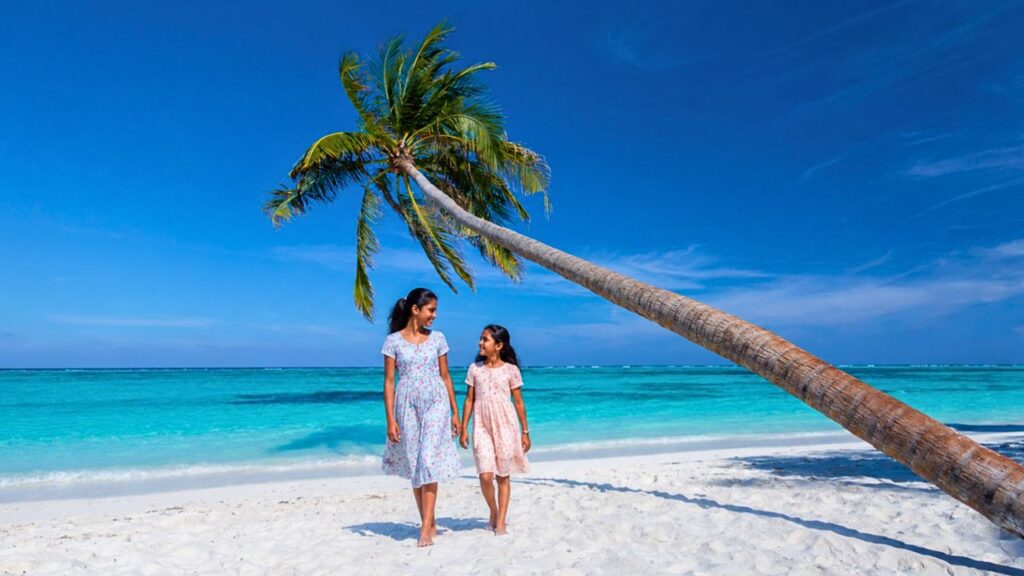
Private resort islands are designed exclusively for tourism. Almost every resort occupies an entire island, offering private beaches, multiple restaurants, spas, swimming pools, water sports, and luxurious villas. Everything is carefully maintained, and the atmosphere is peaceful, making these islands particularly popular with honeymooners, families celebrating special occasions, and travellers looking for a relaxing getaway.
Local islands, on the other hand, are where Maldivians live. Alongside guesthouses and boutique hotels, you’ll find schools, mosques, grocery stores, cafés, fishing boats, and neighbourhood streets. Staying on a local island allows you to experience everyday Maldivian life while spending considerably less than you would at a luxury resort.
Neither option is better than the other. Resort islands offer unmatched comfort and exclusivity, while local islands provide cultural experiences, affordability, and the flexibility to explore nearby islands through organised excursions.
Our Experience – Seeing Both Sides of the Maldives
One of the reasons we enjoyed our Maldives holiday so much was that we experienced both styles of accommodation.
We began our journey at Meeru Island Resort, where we stayed in a Beach Villa before moving to a Jacuzzi Water Villa. Later, we shifted to Dhiffushi, one of the inhabited local islands, where we experienced a completely different side of the Maldives.
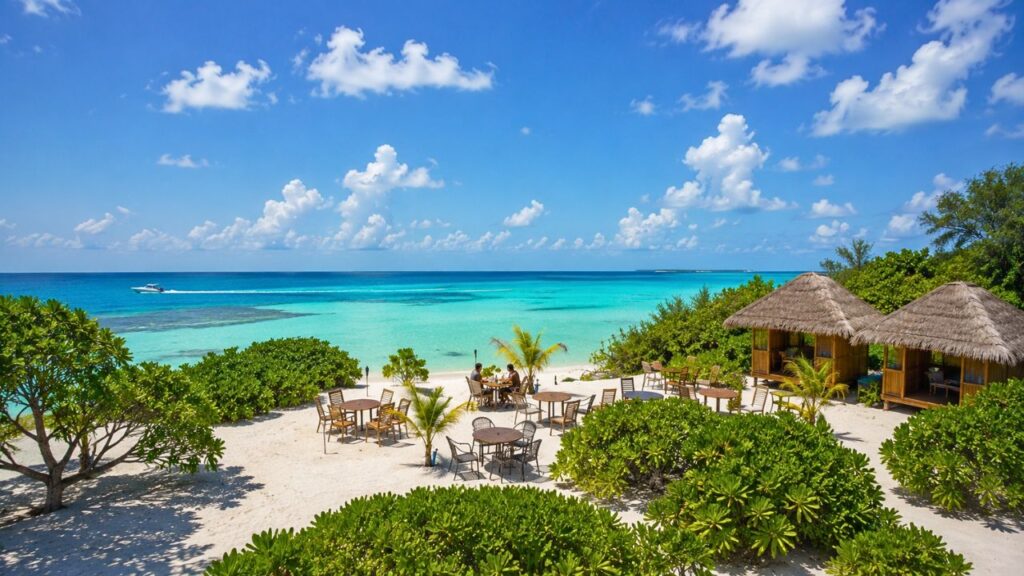
Looking back, we feel this combination gave us a much better understanding of the country than staying only in a luxury resort or only on a local island. Each offered something unique, and together they created a memorable family holiday.
Is Staying in a Beach Villa Worth It?
Many first-time visitors immediately dream of booking a Water Villa, but we believe a Beach Villa deserves equal consideration.
Our stay at Meeru Island began in a Beach Villa located just a few steps from the ocean. Waking up to the sound of waves, walking barefoot onto soft white sand, and watching the changing colours of the lagoon throughout the day created an atmosphere that was wonderfully relaxing.
Because the beach is right outside your room, Beach Villas are especially convenient for families with children. Our daughters spent hours playing on the beach, collecting shells, and enjoying the calm lagoon without us having to walk long distances.
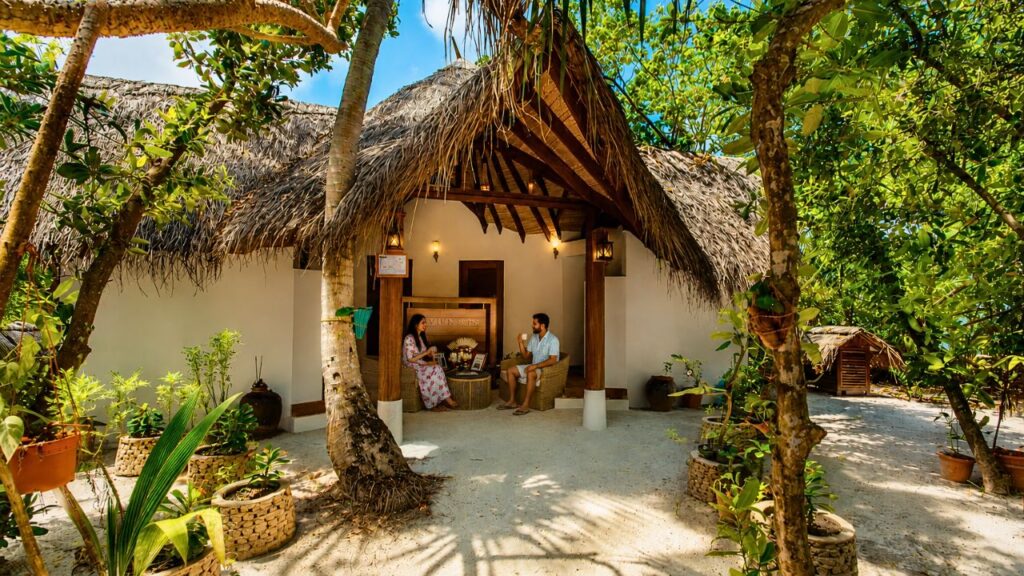
The Beach Villa also gave us easy access to many of the resort’s facilities, including restaurants and walking paths shaded by tropical vegetation.
What is it Like to Stay in a Water Villa?
The following day we moved into a Jacuzzi Water Villa, an experience that many people associate with the Maldives.
Built on stilts above the lagoon, the villa offered uninterrupted views of the Indian Ocean from almost every corner of the room. A private deck overlooked the crystal-clear water below, complete with steps leading directly into the sea. Simply sitting on the deck and watching fish swim beneath us was an experience in itself.
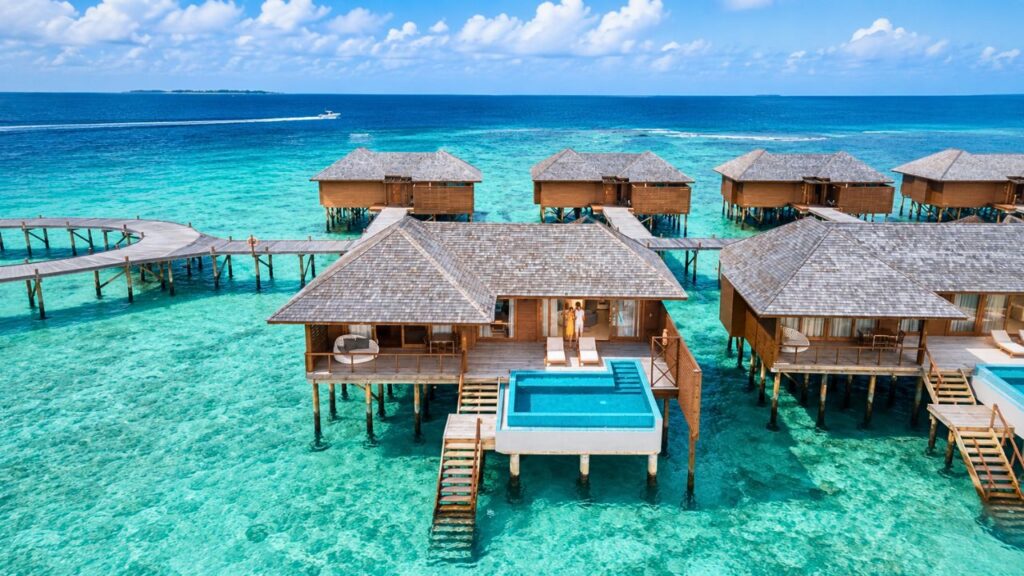
One feature we particularly enjoyed was the outdoor Jacuzzi overlooking the ocean. Whether during the day or under a sky full of stars at night, it added another layer of relaxation to the stay.
Although Water Villas are generally more expensive than Beach Villas, they offer a unique experience that’s difficult to replicate elsewhere. If your budget allows, even spending one night in a Water Villa can become one of the highlights of your Maldives holiday.
Food N Travel Tip
If you’re planning a 4 or 5-day Maldives holiday, consider splitting your stay.
We found that spending two nights in a Beach Villa followed by one night in a Water Villa provided an excellent balance between cost and experience. The Beach Villa allowed us to enjoy the island at a relaxed pace, while the Water Villa gave us the iconic Maldives experience that so many travellers dream about.
Similarly, if you’re travelling on a tighter budget, combining a resort stay with a few nights on a local island lets you experience both the luxurious and authentic sides of the Maldives without significantly increasing your overall expenses.
Maldives Travel Guide – Is the Maldives Only for Honeymooners?
One of the biggest misconceptions about the Maldives is that it’s meant only for couples celebrating their honeymoon.
After travelling there with our family, we can confidently say that’s far from the truth.
Our children loved every moment of the trip—from playing on the beaches and swimming in the shallow lagoons to snorkelling for the first time and spotting colourful marine life. The relaxed atmosphere, clean beaches, and safe environment made the Maldives an enjoyable destination for travellers of all ages.
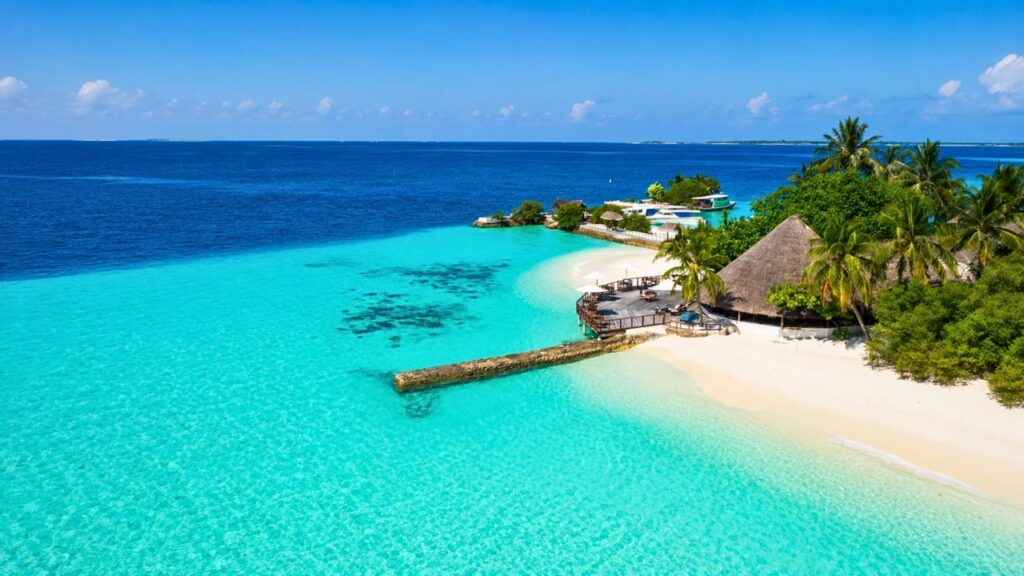
Families can spend time together exploring the island, joining dolphin cruises, trying water sports, or simply watching the sunset by the beach. Groups of friends will find plenty of adventure through snorkelling, diving, surfing, and island-hopping excursions, while couples can still enjoy the romance that made the Maldives famous.
The Maldives is, in many ways, one of those rare destinations that can be tailored to almost any type of traveller.
Things to Do in the Maldives
The Maldives isn’t a destination filled with museums, monuments, or bustling cities. Instead, its greatest attractions lie beneath and around the turquoise waters of the Indian Ocean. Whether you’re staying at a luxury resort or on a local island, most of your time will revolve around the sea and the incredible marine life that calls it home.
Here are some experiences that every traveller should consider while visiting the Maldives.
Go Snorkelling and Discover the Underwater World
If there’s one activity we would recommend to every traveller, it would be snorkelling.
The Maldives is home to some of the world’s richest coral reefs, where colourful reef fish, sea turtles, rays, reef sharks, and countless other marine species thrive. The crystal-clear water often provides excellent visibility, making snorkelling enjoyable even for beginners.
During our stay at Meeru Island, we joined a snorkelling excursion that required a short 10-minute speedboat ride to a nearby reef. While our first snorkelling experience wasn’t the best for spotting marine life, the clarity of the water itself made the experience unforgettable.
A few days later, while staying on Dhiffushi Island, we went snorkelling again—this time in deeper waters. The difference was remarkable. We found ourselves surrounded by schools of colourful tropical fish and were fortunate enough to spot a graceful sea turtle swimming through the reef. Watching these marine creatures in their natural habitat remains one of our favourite memories from the Maldives.
If you don’t own snorkelling equipment, don’t worry. Most resorts and excursion operators rent masks and fins at reasonable rates or include them as part of organised tours.
Visit a Sandbank in the Middle of the Ocean
One of the most unique experiences in the Maldives is visiting a sandbank.
Unlike a normal beach, a sandbank is a small stretch of brilliant white sand that appears in the middle of the ocean, often surrounded entirely by shallow turquoise water. Some sandbanks are completely uninhabited, with nothing more than soft sand and a few creeping beach plants.
We visited one during our stay on Dhiffushi Island, and the scenery was unlike anything we had seen before. Standing in the middle of the Indian Ocean with endless shades of blue stretching in every direction is a surreal experience that’s difficult to describe until you’ve experienced it yourself.
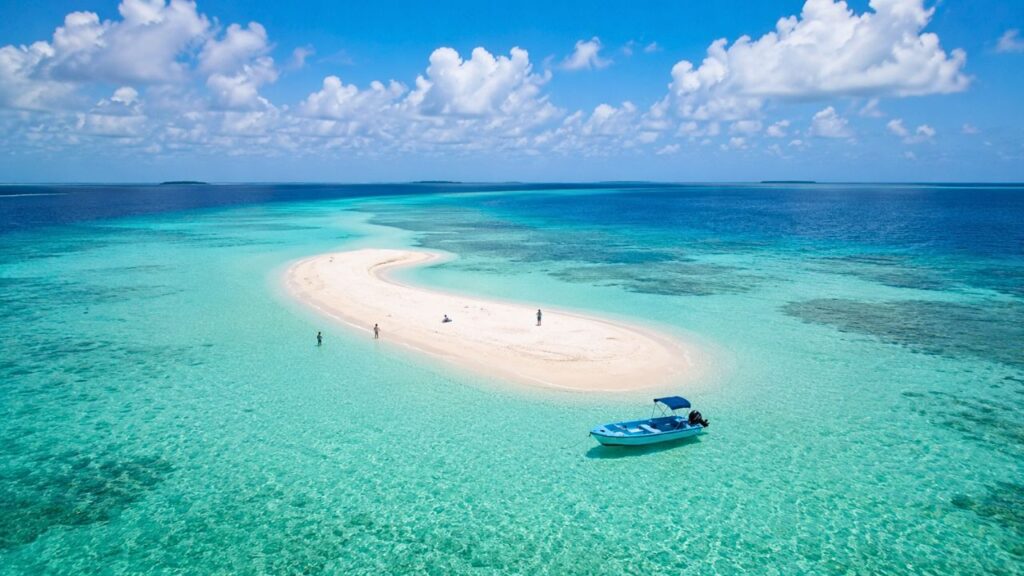
Many excursions combine sandbank visits with snorkelling, allowing you to enjoy both experiences in a single trip.
Don’t Miss a Dolphin Watching Excursion
If snorkelling gave us the most colourful memories, the dolphin excursion gave us the happiest ones.
Late one evening, we boarded a boat hoping to spot dolphins in the open sea. We certainly didn’t expect what happened next.
As our boat moved through the water, dozens of dolphins appeared around us. They swam alongside the boat, occasionally leaping above the surface before disappearing back beneath the waves. At one point, our guide encouraged us to whistle, and almost immediately several dolphins seemed to respond by swimming closer to the boat. Whether they were responding to the sound or simply enjoying the waves created by the boat, watching them glide effortlessly through the water was an unforgettable experience.
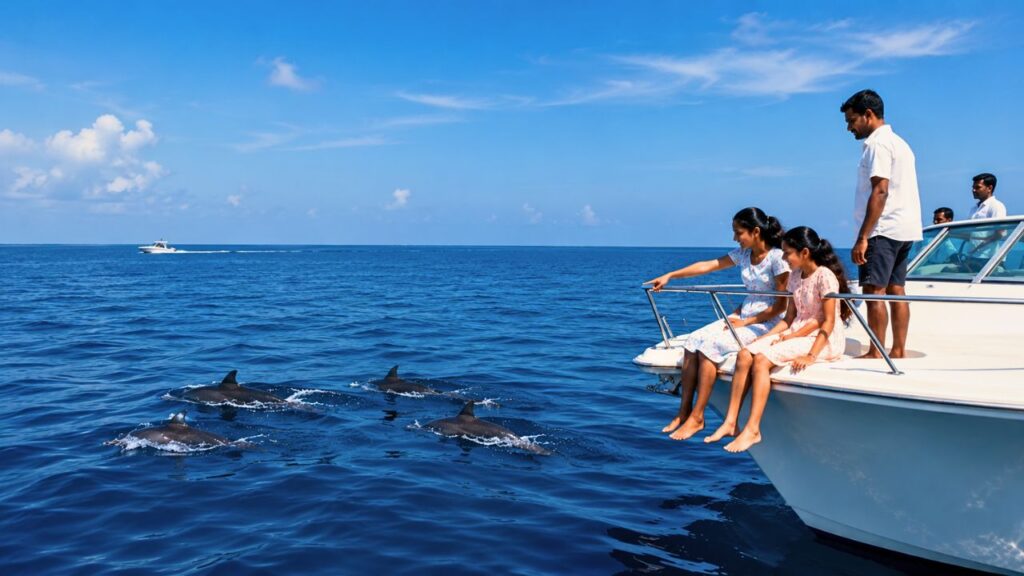
For us, dolphin watching wasn’t just another excursion—it was one of the highlights of our entire Maldives holiday.
Explore Local Islands
Many travellers never venture beyond their resort island, but exploring a local island offers a completely different perspective of the Maldives.
During our stay, we explored both Dhiffushi and Thulusdhoo, each offering its own unique character.
Dhiffushi felt peaceful and welcoming, with quiet streets, friendly locals, cafés, souvenir shops, and beautiful beaches. In the evenings, we even had the opportunity to watch and feed stingrays near the island’s harbour—an experience that’s both simple and surprisingly memorable.
Thulusdhoo, on the other hand, is widely known among surfers for its world-class waves. Walking through the island gave us a glimpse into everyday Maldivian life beyond the luxury resorts. We even discovered a tiny neighbouring island that could be reached by walking through shallow water during low tide, making the visit even more enjoyable.
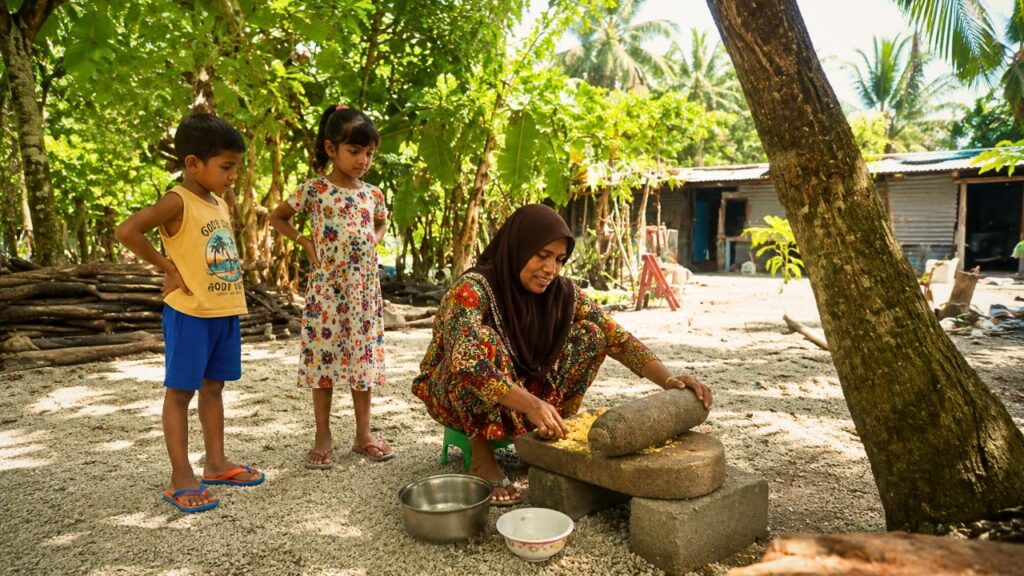
If your itinerary allows, don’t limit yourself to just one island. Island-hopping is one of the best ways to appreciate the diversity of the Maldives.
Slow Down and Enjoy Island Life
One thing we quickly realised during our trip was that the Maldives isn’t a destination where you need a packed itinerary.
Some of our favourite moments weren’t part of any organised excursion. Watching the sunrise from the beach, walking barefoot along soft white sand, relaxing outside our Beach Villa, enjoying the views from our Water Villa, or simply sitting by the ocean with family became some of the most memorable parts of the holiday.
The Maldives encourages you to slow down. Instead of rushing from one attraction to another, it’s a place where the journey itself becomes the experience.
Food N Travel Experience
When we planned our Maldives holiday, we expected the beaches and water villas to impress us. They certainly did. But what surprised us most were the experiences we hadn’t anticipated—the thrill of spotting a sea turtle while snorkelling, watching dolphins swim alongside our boat at sunset, exploring quiet local islands, and simply spending uninterrupted time together as a family. Looking back, these moments became far more valuable than any luxury accommodation or beautifully photographed beach.
Maldives Travel Guide: How Much Does a Maldives Trip Cost?
One of the biggest misconceptions about the Maldives is that every holiday here costs several lakhs of rupees. While a luxury resort vacation can certainly be expensive, the Maldives today caters to a much wider range of budgets than it did a decade ago.
If you stay on a local island such as Dhiffushi or Thulusdhoo, book your flights in advance, and choose local excursions, a couple can comfortably enjoy a 4 to 5-day holiday at a fraction of the cost of an exclusive resort stay. Guesthouses, local cafés, and shared excursions have made the Maldives far more accessible to travellers from India.
For those looking for the classic Maldives experience, private resort islands remain the benchmark. Beach Villas generally cost less than Water Villas, while meal plans and airport transfers can significantly influence the final price.
Rather than asking “How much does a Maldives trip cost?”, a better question is “What kind of Maldives experience do I want?” Once you’ve answered that, choosing accommodation and budgeting becomes much easier.
Food N Travel Tip
If your budget allows, don’t spend your entire holiday in just one type of accommodation.
We found that experiencing both a resort island and a local island gave us the best understanding of the Maldives. Likewise, spending a couple of nights in a Beach Villa before moving to a Water Villa offered the perfect balance between comfort, experience, and value.
Sometimes, one unforgettable night in a Water Villa creates memories that are worth far more than extending the same stay for several additional days.
Suggested Maldives Itineraries
Maldives Travel Guide: The Maldives can be enjoyed whether you have three days or a full week. Here are two itineraries that work well for most travellers.
4 Days / 3 Nights
- Day 1: Arrive in the Maldives, transfer to your resort or local island, relax on the beach, and enjoy the sunset.
- Day 2: Snorkelling excursion followed by leisure time or water sports.
- Day 3: Dolphin cruise, sandbank visit, or island hopping.
- Day 4: Morning at the beach before returning to Velana International Airport.
5 Days / 4 Nights
- Days 1–2: Stay on a resort island and experience a Beach Villa or Water Villa.
- Days 3–5: Transfer to a local island such as Dhiffushi or Thulusdhoo to enjoy island life, snorkelling, dolphin watching, and local culture before flying home.
This combination lets you experience both the luxurious and authentic sides of the Maldives without making the trip feel repetitive.
Maldives Travel Guide: Essential Travel Tips for First-Time Visitors
A little planning can make your Maldives holiday much smoother. Here are a few tips we found useful, and thought to share in our Maldives Travel Guide:
- Book flights and accommodation well in advance if travelling between December and March, as this is the busiest season.
- Confirm your airport transfer before arrival, especially if you’re staying on a private resort island.
- Carry lightweight clothing, reef-safe sunscreen, sunglasses, a hat, and waterproof bags for excursions.
- Respect local customs when visiting inhabited islands. Swimwear is generally permitted only on designated tourist beaches.
- Don’t try to pack your itinerary with too many activities. The Maldives is best enjoyed at a relaxed pace.
- If you’re planning to snorkel, a basic understanding of swimming helps, but many excursions also cater to beginners with safety briefings and life jackets.
- Travel insurance is worth considering, especially if you’re planning water sports or scuba diving.
Frequently Asked Questions – Maldives Travel Guide
Is the Maldives only for honeymooners?
Not at all. While it’s one of the world’s most popular honeymoon destinations, the Maldives is equally enjoyable for families, groups of friends, solo travellers, photographers, and adventure enthusiasts.
Do Indians need a visa for the Maldives?
Indian citizens are generally eligible for a free tourist visa on arrival, provided they meet the entry requirements applicable at the time of travel.
Is the Maldives suitable for children?
Yes. Many resorts offer family-friendly facilities, shallow lagoons, children’s play areas, and activities suitable for younger travellers.
Is snorkelling safe for beginners?
Most organised snorkelling excursions provide life jackets, safety instructions, and trained guides, making them suitable even for first-time participants.
How many days are enough for the Maldives?
A 4 to 5-day itinerary is ideal for most first-time visitors, giving you enough time to relax while enjoying a few excursions without feeling rushed.
What we think of the Maldives
The Maldives is one of those rare destinations that manages to exceed expectations. Before our journey, we thought the highlight would simply be staying in a Water Villa. Instead, the memories that stayed with us were much more diverse—snorkelling alongside colourful reef fish, spotting a sea turtle in the wild, watching dolphins race beside our boat, walking across a secluded sandbank, and spending quality time together as a family surrounded by one of the most beautiful seascapes on Earth. That’s when we thought of writing this Maldives Travel Guide.
What also surprised us was how different each island felt. A luxury resort offered privacy and indulgence, while a local island introduced us to everyday Maldivian life and proved that the country isn’t reserved only for luxury travellers. Experiencing both gave us a much richer understanding of the Maldives than either option alone could have provided.
Conclusion
The Maldives is far more than a postcard-perfect collection of beaches and Water Villas. It’s a destination where every island offers a slightly different experience, every shade of blue seems more vivid than the last, and every day invites you to slow down and appreciate nature. Whether you dream of waking up above the ocean in an overwater villa, exploring colourful coral reefs, relaxing on untouched sandbanks, or discovering the warmth of local island communities, the Maldives has something to offer every traveller.
We hope this Maldives Travel Guide has answered your questions and made planning your holiday a little easier. If it’s your first visit, don’t limit yourself to the famous photographs. Take time to snorkel, watch dolphins in the wild, explore a local island, and simply sit by the ocean without an agenda. Those are the experiences you’ll remember long after you’ve returned home.
If you enjoyed our Maldives Travel Guide, you may also like: Things to do in Jaipur





[…] Maldives Travel Guide – Read This Before You Book Your Trip […]
[…] Maldives Travel Guide – Read This Before You Book Your Trip […]
[…] If you enjoyed our Turkey Travel Guide, you may also enjoy reading about the Maldives […]
[…] Things to do in Maldives […]